
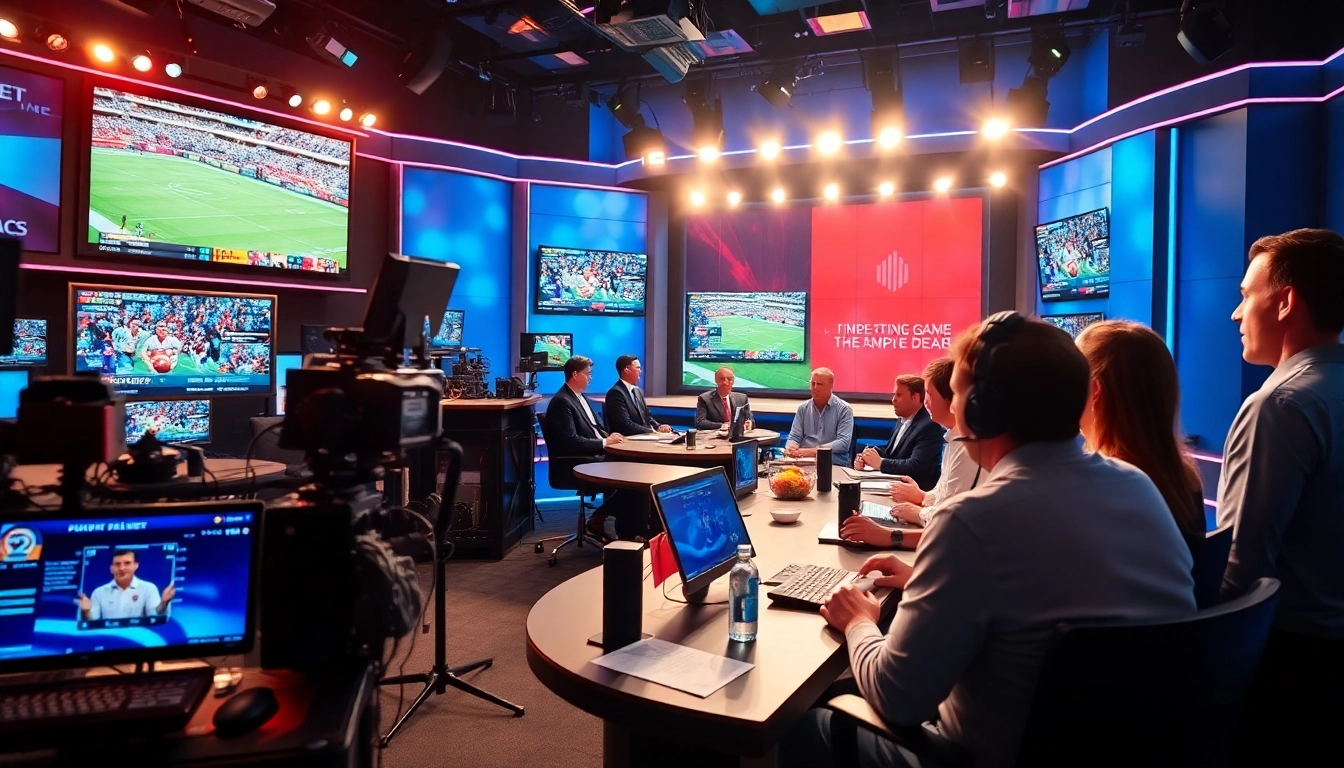
Understanding Sports Broadcasting
What is Sports Broadcasting?
Sports broadcasting involves the live transmission of sporting events through various mediums, including television, radio, and online platforms. This process allows fans to engage with their favorite sports, teams, and athletes from the comfort of their homes or while on the go. Sports Broadcasting has become an essential pillar of contemporary sports culture, serving as a bridge between fans and the athletic world. It offers an array of content, from live games and analysis to highlights and interviews, catering to the diverse preferences of viewers across the globe.
Historical Evolution of Sports Broadcasting
The history of sports broadcasting can be traced back to the early 20th century when radio became a popular medium. Initially, live commentary and results of events were shared over the airwaves, allowing fans to stay informed without being physically present. As technology advanced in the mid-20th century, television emerged as the primary platform for sports broadcasting, bringing games and events directly into living rooms across America and beyond.
The 1960s marked a turning point with the introduction of color television, significantly enhancing the viewing experience. Events like the Olympic Games and the Super Bowl became monumental milestones in sports broadcasting, drawing millions of viewers.
The rise of cable and satellite television in the 1980s further revolutionized the landscape, allowing specialized sports networks to emerge, such as ESPN. This explosion of content provided fans with 24/7 access to sports programming. The advent of the internet and digital platforms in the late 1990s and 2000s introduced live streaming and on-demand content, effectively reshaping viewer habits and expectations.
Key Components of Sports Broadcasting
Successful sports broadcasting encompasses several critical components. Firstly, content creation is vital. This involves the production of high-quality matches, commentary, and analysis that resonate with fans. Secondly, technology plays a crucial role in delivering this content effectively, whether through traditional broadcasting methods or newer streaming services.
Thirdly, regulatory considerations and partnerships with sports leagues are essential for securing broadcasting rights. Lastly, audience engagement strategies help to maintain and grow viewership, ensuring regular interaction with the fan base.
Technology in Sports Broadcasting
Latest Broadcast Technologies
As technology continues to evolve, so do the tools and techniques used in sports broadcasting. High-definition and 4K video technology offer breathtaking visuals, captivating audiences with crystal-clear images. Drones and advanced camera systems provide unique and dynamic angles that enhance the storytelling aspect of live events.
The rise of augmented reality (AR) and graphics integration has also transformed how viewers interpret information during broadcasts, as statistics and player data can now be presented in engaging formats. Additionally, the use of mobile technology allows for enhanced viewing experiences, enabling fans to access live stats and replays on their smartphones.
Role of Streaming in Sports Broadcasting
Streaming technology has emerged as a significant player in the sports broadcasting industry. Platforms such as Twitch and specialized sports streaming services allow users to watch events live, as well as engage in real-time discussions. The flexibility of streaming allows sports networks to reach a broader audience across different demographics, particularly younger viewers who often prefer on-demand content.
This shift towards streaming has also led to the emergence of a subscription-based model, giving consumers access to a tailored sports experience while generating new revenue streams for broadcasting companies. Sports leagues have recognized this trend and are developing their own platforms, further solidifying streaming's impact on the industry.
Impact of Virtual Reality on Viewer Experience
Virtual reality (VR) technology is reshaping how fans experience sports. By offering immersive experiences, VR brings fans closer to the competition than ever before, allowing them to feel as if they are part of the event. Companies are experimenting with VR broadcasts for significant games, providing viewers with 360-degree perspectives and the ability to choose their viewing angles.
These innovative experiences engage fans more deeply than conventional broadcasts, creating unique opportunities for emotional connectivity. The potential for VR to change the landscape of sports broadcasting is vast, but it also raises questions about accessibility and the investment required from broadcasters.
Production Processes in Sports Broadcasting
Pre-Broadcast Preparation
The production of sports broadcasts begins long before the cameras roll. Pre-broadcast preparation involves thorough planning, which includes the logistical coordination of team members, equipment, and timelines. Producers outline the structure of the broadcast, determining key segments beyond the live event, such as pre-game analysis and post-game interviews.
Technical rehearsals ensure that audio, video, and graphics systems work flawlessly, which is vital for a seamless viewing experience. Furthermore, contributors such as analysts and commentators must prepare insights and narratives to enrich the broadcast, enhancing the viewer's understanding and enjoyment.
During the Broadcast: Roles and Responsibilities
During a live broadcast, various professionals work collaboratively to deliver a polished product. The director oversees the entire operation, orchestrating camera shots, graphics, and audio. Producers manage logistics and cue segments, while commentators provide real-time insight and enthusiastic commentary, keeping viewers engaged.
Camera operators capture the action from multiple angles, ensuring that audiences never miss pivotal moments. Technical staff ensures that everything runs smoothly behind the scenes, monitoring sound and image quality, troubleshooting issues as they arise, and adapting to any unforeseen challenges during the live event.
Post-Broadcast Review and Analysis
Once the broadcast concludes, the production team conducts a post-broadcast analysis to evaluate performance and effectiveness. This review involves assessing production quality, audience engagement metrics, and overall reception from viewers. Teams often gather feedback through polls and social media interactions to gauge viewer sentiment.
This analysis is crucial for identifying areas for improvement, shaping future broadcasts, and adapting strategies to ensure continued growth and engagement. Understanding what worked—and what didn’t—allows broadcasters to remain competitive and relevant in a rapidly evolving media landscape.
Viewer Engagement Strategies in Sports Broadcasting
Leveraging Social Media for Interaction
Social media has become a vital tool for engaging with viewers during and after broadcasts. Platforms like Twitter, Facebook, and Instagram facilitate real-time interaction, allowing fans to discuss games, share opinions and post highlights immediately. Broadcasters can use these platforms to create polls and run interactive campaigns that encourage fan participation.
Incorporating social media interactions into the broadcast itself, such as displaying tweets or comments on-screen, can enhance viewer engagement and participation, fostering a sense of community around sports events.
Creating Compelling Content for Audiences
Creating compelling content requires understanding the interests and preferences of the audience. This can include in-depth analysis, behind-the-scenes footage, interviews with players, and interactive segments that enable viewers to ask questions or participate in discussions.
Successful sports broadcasts often introduce creative storytelling techniques, blending statistics and narratives to build emotional connections to teams and athletes. Engaging content drives loyalty and builds a devoted viewership that seeks content beyond live games.
Understanding Audience Demographics
Understanding audience demographics is vital for tailored content delivery. Different groups are drawn to sports broadcasts for various reasons, whether for entertainment, community, or competition appreciation. By analyzing viewership data, broadcasters can craft strategies to target specific demographic segments effectively.
This includes customizing commercials to resonate with the audience and scheduling broadcasts at times that optimize viewership. Understanding the demographic landscape also informs decisions about the platforms utilized for distribution—whether traditional or digital channels.
Future of Sports Broadcasting
Emerging Trends to Watch
The future of sports broadcasting is rife with trends that promise to reshape the industry. One significant trend is personalized content delivery through advanced algorithms that analyze viewer habits and preferences. Broadcasters are increasingly adopting targeted advertising strategies based on audience insights, enhancing engagement further.
Virtual and augmented reality are also set to play monumental roles, offering viewers immersive experiences that break the traditional broadcast barrier. Additionally, e-sports and non-traditional sporting events are garnering attention, with dedicated broadcasts catering to niche audiences.
Sustainability in Sports Broadcasting Practices
As awareness of environmental sustainability grows, sports broadcasting is beginning to adapt to eco-friendly practices. Broadcasters are being called upon to reduce their carbon footprints through energy-efficient practices and utilizing renewable energy sources for their operations.
Furthermore, promoting sustainable initiatives within the sports community, such as reducing plastic waste during events, adds to the responsibility of broadcasters as influential voices in the industry. Sharing sustainability practices promotes positive engagement with eco-conscious audiences.
The Role of AI in Future Broadcasts
Artificial Intelligence (AI) is anticipated to revolutionize sports broadcasting by providing analytical insights, automating content curation, and enhancing viewer experiences. AI can analyze vast data sets in real-time, offering contextually relevant information and predictions during broadcasts.
This technology can also personalize the viewing experience for fans by recommending content tailored to their preferences. As AI progresses, its integration into sports broadcasting will likely streamline production processes and elevate engagement metrics significantly.
Frequently Asked Questions
What is sports broadcasting?
Sports broadcasting refers to the live transmission of sports events via radio, television, or online platforms, allowing audiences to follow their favorite teams and athletes.
How has technology changed sports broadcasting?
Technology has revolutionized sports broadcasting by enabling high-definition broadcasts, live streaming, interactive content, and real-time analytics, enhancing viewer experience.
What roles exist in a sports broadcasting team?
A sports broadcasting team typically includes producers, directors, commentators, camera operators, and technical staff working collaboratively during live events.
How do social media platforms enhance sports broadcasting?
Social media platforms engage viewers by providing updates, highlights, and behind-the-scenes content, enhancing interaction and building fan communities around sports events.
What future trends are shaping sports broadcasting?
Future trends include the adoption of AI for personalized content, virtual reality for immersive experiences, and sustainability initiatives to reduce environmental impact in broadcasting.