
- Understanding Custom Apparel Manufacturing
- Key Factors to Consider When Selecting a Custom Apparel Manufacturer
- Steps to Collaborate with Your Custom Apparel Manufacturer
- Challenges When Working with Custom Apparel Manufacturers
- Measuring Success with Your Custom Apparel Manufacturer
- Frequently Asked Questions
Understanding Custom Apparel Manufacturing
What is a Custom Apparel Manufacturer?
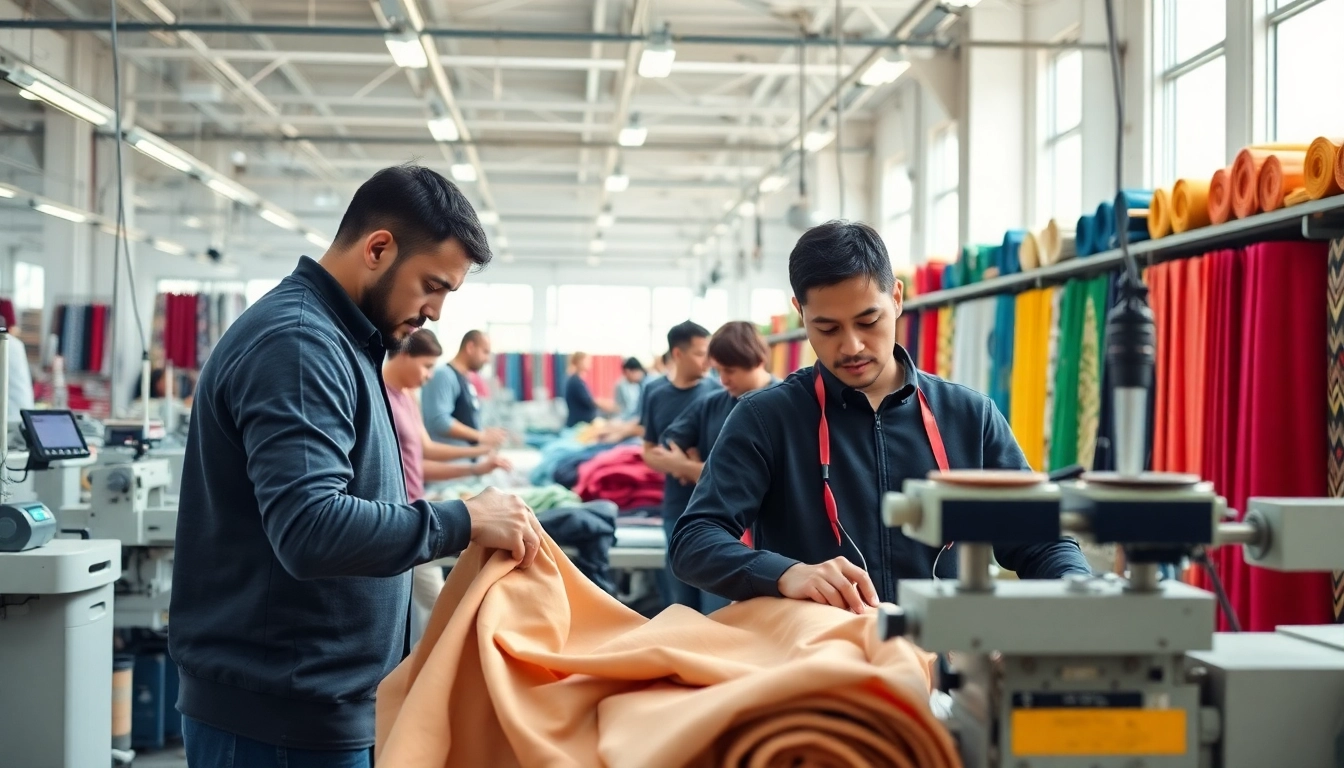
A Custom Apparel Manufacturer specializes in producing clothing items tailored to specific designs and requirements of a brand or business. This process can involve a range of services, from design conceptualization to final production, encompassing various garment types such as T-shirts, jackets, uniforms, and more. Partnering with a Custom Apparel Manufacturer can significantly streamline the production process, ensuring that the products align perfectly with the brand’s vision and quality expectations.
Types of Custom Apparel Manufacturing Services
There are several types of services offered by Custom Apparel Manufacturers, which can be categorized based on the needs of brands. Some of these services include:
- Screen Printing: Ideal for designs requiring vibrant colors and durability, suitable for bulk orders.
- Embroidery: Adds a professional touch by stitching designs directly onto fabrics, perfect for branding.
- Heat Transfer: Applies designs using heat; good for intricate logos and versatile for different fabrics.
- Dye Sublimation: Used for all-over printing designs where colors are infused into the fabric, ensuring longevity.
- Cut and Sew: Involves the creation of garments from scratch, allowing for full customization of styles and fits.
Benefits of Partnering with a Custom Apparel Manufacturer
Engaging with a Custom Apparel Manufacturer offers numerous advantages for businesses seeking to enhance their product offerings. Some key benefits include:
- Customization: Ability to create unique designs not available off-the-shelf.
- Quality Control: Direct oversight on production processes ensures high-quality outputs.
- Cost Efficiency: Bulk production can lower costs per unit, which is advantageous for growing businesses.
- Expertise: Access to knowledgeable professionals who can guide the design and production process.
- Brand Identity: Custom apparel strengthens brand recognition and loyalty through personalized offerings.
Key Factors to Consider When Selecting a Custom Apparel Manufacturer
Quality Standards and Certifications
One of the foremost considerations when selecting a Custom Apparel Manufacturer is the quality of the materials and the processes they employ. Check for certifications such as ISO 9001, which denotes adherence to quality management systems, and certifications for sustainable practices, reflecting a commitment to environmental responsibility. Additionally, inquire about their fabric sources and production methods, which play a crucial role in the final product’s quality.
Production Capabilities and Flexibility
The capacity of a manufacturer to meet production demands and adapt to varying order sizes is essential. Evaluate their facilities and technology—are they equipped for small batches or large-scale production? Flexibility in order quantities is particularly important for businesses that may experience seasonal fluctuations in demand.
Communication and Support System
A strong line of communication between your business and the Custom Apparel Manufacturer can significantly impact the partnership’s success. Look for manufacturers with a dedicated support team that can provide timely updates throughout the production process. Effective communication helps in addressing any concerns promptly and fosters a collaborative relationship, ensuring that your vision translates accurately into the final product.
Steps to Collaborate with Your Custom Apparel Manufacturer
Initial Consultation and Design Phase
The collaboration begins with an initial consultation where your ideas and requirements are discussed. This phase is crucial as it sets the foundation for the design process. Share your brand ethos, design inspirations, and target audience insights, which will enable the manufacturer to create designs that resonate with your customer base.
Materials Selection and Sampling
Once designs are finalized, selecting the right materials is critical. Collaborate with your manufacturer to choose fabrics that not only align with your design but also meet durability and comfort expectations. Request samples to assess the texture, quality, and print representation before the full production run begins, ensuring you achieve the desired outcome.
Production and Delivery Timeline Management
After confirming materials and designs, establish a timeline for production and delivery. Precise timelines help in planning for launch dates and stocking levels. Check in regularly with your manufacturer to monitor progress and address any potential delays proactively. This step is crucial to maintaining your business’s momentum and ensuring customer satisfaction.
Challenges When Working with Custom Apparel Manufacturers
Common Communication Pitfalls
One of the most common challenges when partnering with a Custom Apparel Manufacturer is miscommunication. Ensure that all project details are documented clearly, including design specifications and timelines. Using project management tools can facilitate better communication and help all parties stay aligned with milestones and expectations.
Handling Quality Control Issues
Quality control is paramount in manufacturing. Establish a process for inspecting samples prior to full production and schedule quality checks during various production stages. This proactive approach helps identify and resolve issues before they escalate, ensuring you receive a product that meets your specifications.
Managing Lead Times and Expectations
Lead times can be influenced by several factors, including material availability and production capacity. Discuss these elements upfront with your manufacturer to establish realistic timelines and mitigate any surprises. Moreover, build a buffer into your schedule for unexpected delays to ensure you maintain inventory levels without interruption.
Measuring Success with Your Custom Apparel Manufacturer
Key Performance Indicators to Track
To gauge the effectiveness of your collaboration with a Custom Apparel Manufacturer, it’s essential to track specific key performance indicators (KPIs). Common KPIs include production timelines, costs versus budget, defect rates, and customer satisfaction scores. Monitoring these metrics can provide valuable insights into your partnership’s strengths and areas for improvement.
Customer Feedback and Product Reviews
Customer feedback is an invaluable resource when measuring the success of your apparel items. Encourage customers to share their experiences through reviews and testimonials. This feedback not only assists in refining future designs but also enhances brand reputation and customer loyalty.
Long-term Partnership Benefits
Building a long-term relationship with your Custom Apparel Manufacturer can yield substantial benefits. Over time, familiarity fosters better collaboration, leading to improved efficiency in production processes and enhanced product quality. A strong partnership can also drive innovation, enabling you to stay ahead of market trends and consumer preferences.
Frequently Asked Questions
1. What should I consider when choosing a Custom Apparel Manufacturer?
Consider factors like quality standards, production capabilities, communication, and support systems. These aspects ensure alignment with your brand needs.
2. How can I ensure quality control during production?
Implement quality checks at various production stages and inspect samples before full production to address issues proactively.
3. How long does the production process typically take?
The production timeline can vary based on order size and complexity. It’s best to establish a clear timeline during initial consultations.
4. How can I manage costs when working with a manufacturer?
Engage in detailed discussions about pricing models, bulk order discounts, and negotiate terms upfront to manage costs effectively.
5. What are the benefits of a long-term partnership with a manufacturer?
Long-term partnerships enhance collaboration, improve production efficiency, and lead to higher product quality, fostering innovation over time.